Shellfish Hatchery & Farms · Pocasset, Massachusetts
Born & raised
on Cape Cod
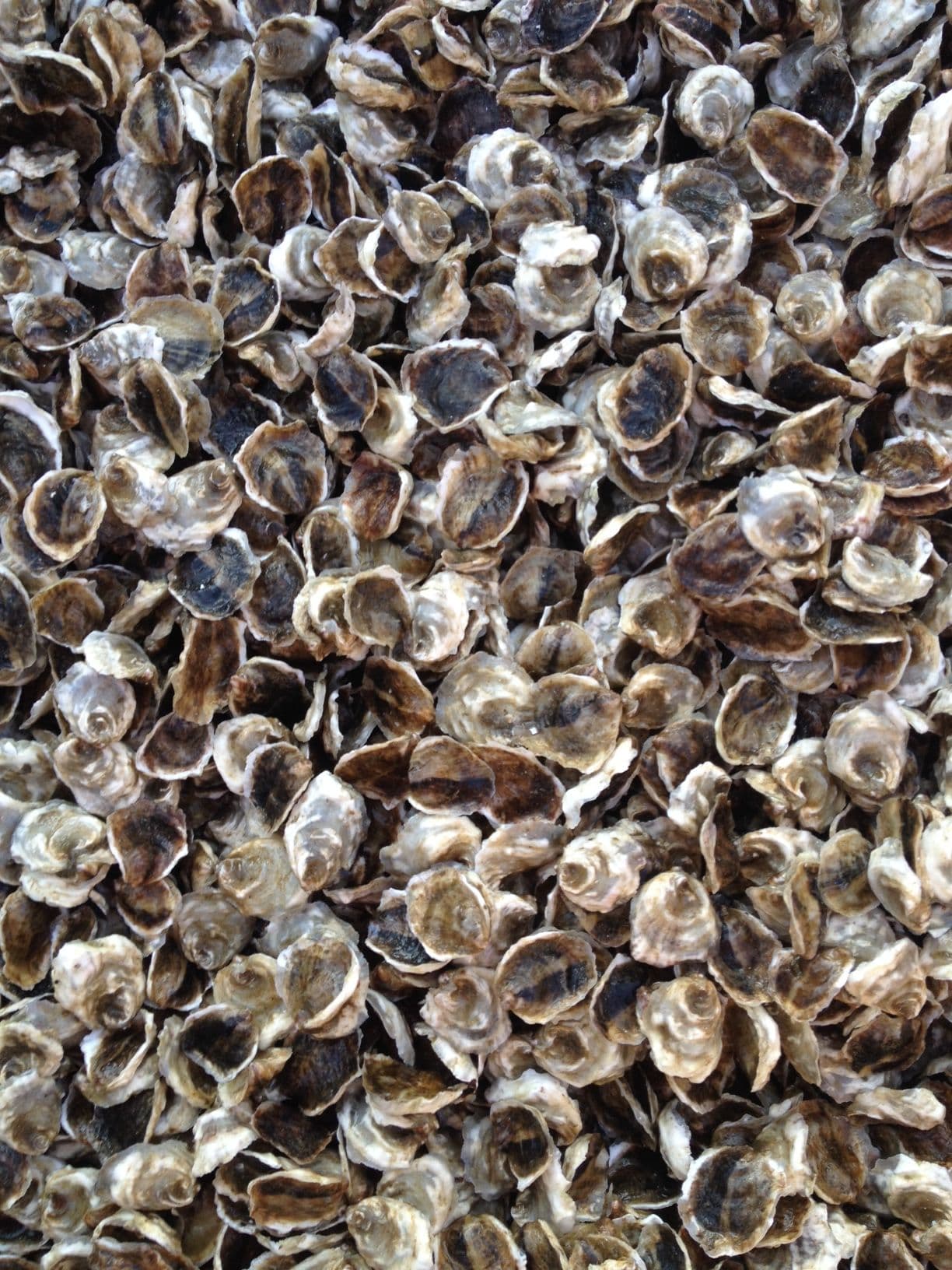
Bay scallop, eastern oyster and hard clam seed from our hatchery on Wings Neck — raised for the growers, towns and restoration projects putting shellfish back in East Coast waters.

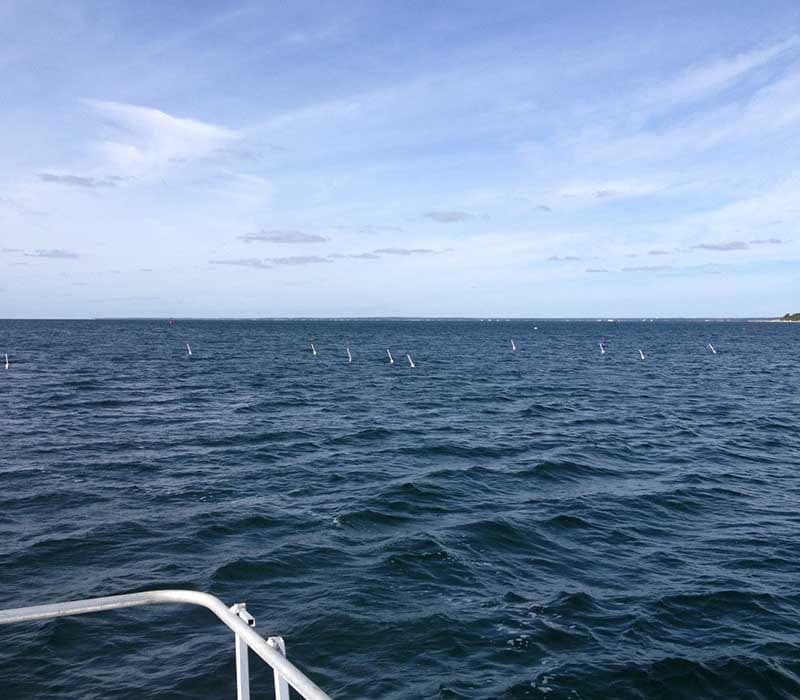
The floating nursery — Cape Cod, Massachusetts
From spawn
to harvest,
start to finish.
Our hatchery in Pocasset was completed in 2023 and produces seed of all three species every spring — fed by a fully automated microalgae system growing 1,500 liters a day across seven species, with every drop of incoming water filtered to one micron and UV-treated.
The same seed stocks our own farms. Fiddler's Cove oysters and our bay scallops are nursed in Pocasset and North Falmouth, grown to market size in East Falmouth, and harvested the same day they ship to your raw bar, restaurant or event.
Meet the hatchery →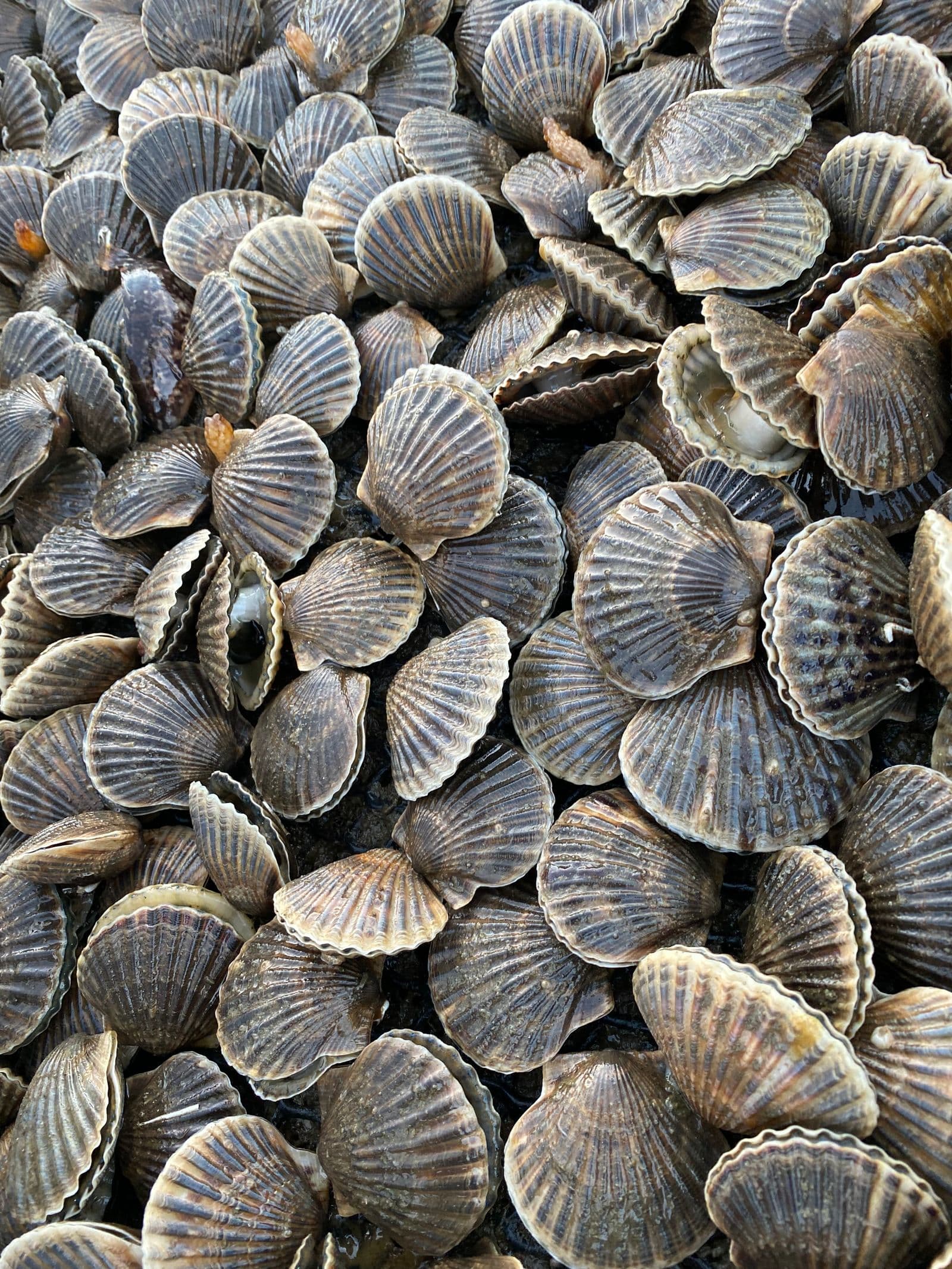
Seed for Growers
Disease-tested bay scallop, oyster and quahog seed, selected from generations of Cape Cod broodstock. Delivery across the US East Coast.
Seed prices →Seed for Restoration
Propagation partnerships with towns, municipalities and conservation groups working to bring shellfish back to their waters.
Propagation & partners →Retail & Wholesale
Fiddler's Cove oysters — petites and selects — and our own in-shell bay scallops, harvested the same day they ship.
Retail & wholesale →Equipment
Lantern nets, FLUPSY kits and floating scallop upwellers — the same systems we run on our own farms.
Browse equipment →❧
Shellfish farming is one of the most environmentally friendly forms of food production on the planet. The animals are never fed — they filter what the bay provides, and leave the water cleaner than they found it.
Why sustainable aquaculture matters →